.png)

The Only DIY Shampoo You Will Ever Need (ONLY 4 Ingredients!)

After a lifetime of believing my hair was doomed to never grow, I chopped my damaged ends off, and completely re-wired my hair care paradigm by researching and experimenting time-tested, all natural methods of hair care. Now, my hair is tailbone length, and this has all depended upon finding the right products and recipes to make natural, growth promoting hair care treatments doable and effective.
Today we will be learning about an all natural, inexpensive, soap based shampoo that you can make using just a few ingredients, with easy custom variations. This shampoo is highly effective at cleansing hair, leaves your hair both clean, soft, AND conditioned, and creates a beautiful lather without any harsh chemicals.

Because we need to talk about something. One of the biggest factors stopping your hair from reaching its full length and thickness potential is likely at least partially your shampoo. In our modern western culture, hair and scalp cleanliness have become synonymous with over washing the hair using harsh, chemically synthetic shampoos that strip one’s natural oils and begin a positive feedback loop of over oil production, leading to excess shampooing. It is no wonder that this leads to a cascade of problems ultimately culminating in hair which either seems to not grow, or even begins to fall out and thin rapidly after a certain number of years of this treatment.
I have talked about non shampoo hair washing alternatives for as long as I have been making videos about hair, but so far the techniques I have shared- namely clay washing and egg washing - while highly effective and nourishing, are more niche and can be more tricky to figure out, especially for hair types that are finer or more oil prone than my own.
Enter this all natural, DIY shampoo recipe. When I cut off my hair to chin length about 10 years ago and started a completely new hair care routine based on natural, time honoured practices, I’ll be honest - I was all over the map with my hair care routines. I learned so much from various hair YouTubers sharing their knowledge on the internet a decade ago. These were hair care creators from all different cultures and with all different ethnicities, but with one thing in common: they had managed to grow long, healthy hair using natural techniques that worked with their hair and scalp’s design rather than against it. One of the recipes I discovered was this shampoo recipe, and when I tried to make it for the first time, I was floored by how effective it was at cleansing my hair, while also leaving it conditioned in just one step.
But first, we need to talk about…
The Main Secret Ingredient
So I am going to tell you the main ingredient in this shampoo recipe, and before you run away thinking it won’t work for you, hear me out.
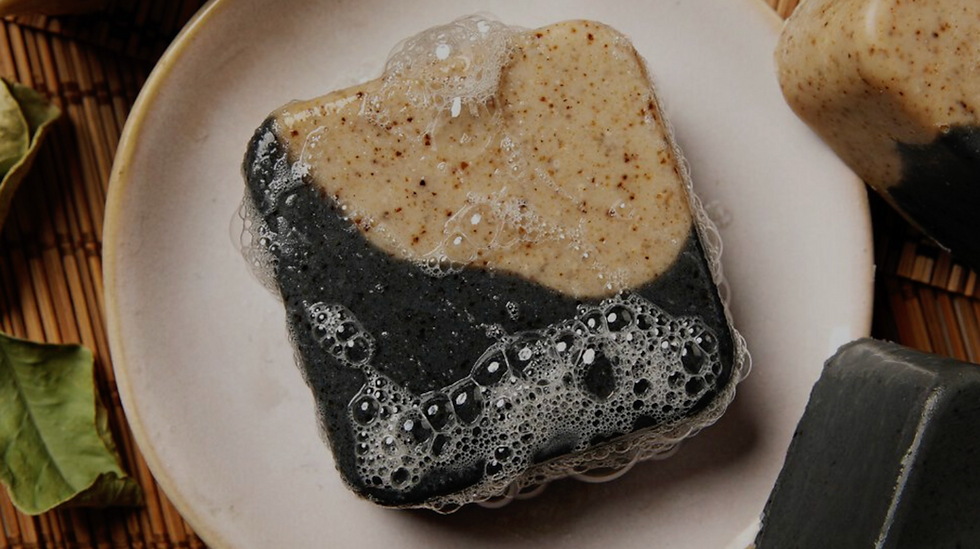
The main ingredient in this shampoo is an all natural type of bar soap called, “African Black Soap”.

And no, don’t run away if you are a caucasian girl with straight, fine, blonde hair. Because yes, this recipe will work for YOU. More on that in a moment.
But first,
Let’s start with where African black soap comes from and what it’s made from because it’s actually really fascinating. This isn’t some modern invention — it’s been used for centuries by women in West Africa, particularly the Yoruba people, who were known fro growing long hair and braiding it into beautiful elaborate hairstyles. They make it by roasting plantain skins or cocoa pods into ash, then blending it with oils like palm kernel and shea. The real authentic bars are very simple — basically just a few natural ingredients.

This black soap will be your gentle yet effective cleanser in this shampoo recipe— the plant ash which gives the soap its darker colour, acts like charcoal in attracting and pulling out impurities. The soap itself supports a healthy scalp with its minerals, nutrients, and antibacterial qualities. It is rich in vitamin A, vitamin E, iron, potassium, zinc, magnesium, essential fatty acids, and natural glycerin which is a humectant and will attract moisture to your hair to keep it soft and supple.

The big problem so many of us run into with modern shampoos is that they are full of sulfates that over-clean and leave our scalp and hair overly stripped and begin a toxic cycle of over washing followed by an overly oil-producing scalp. African black soap changes that. It cleans deeply but gently, and has natural antibacterial properties that help calm the scalp and remove buildup. It creates a healthier environment for hair to grow, and keeps your hair length conditioned.
African black soap can be used on its own to cleanse hair, but by making it into a liquid shampoo it becomes even better and more usable. So our recipe today will be turning a powerful natural soap into something luxurious and balanced for regular, convenient use on hair. And the best part about this recipe is that it is endlessly customizable to suit any hair type.
“I’m a White Girl with Straight Fine Hair. Will This Work for Me?”
I know some of you are thinking — Katherine, I’m not African, and I have straight fine hair.
Is this traditional African black soap really going to work for me?
The answer is yes, and here’s why it will. The soap itself is a universal cleanser. And When we balance and adapt the recipe for this shampoo properly, it doesn’t matter if your hair is curly, coily, wavy, or fine and straight. Women from all over the world can use it successfully.
We can also adjust the amount of water in the recipe for a thinner or a more concentrated shampoo.
So Now let’s get into the actual recipe so you can see how simple it is.
The Shampoo Recipe (How to Make It)
Ok, so this is the fun part— let’s make the shampoo together. It’s truly so easy.
You’re going to start with about 1 to 1.5 oz of African black soap. It’s pretty soft, so it’s easy to either slice it thinly or grate it. Place the soap slices in the jar you will be storing your shampoo in, and it’s time to add water. You are going to add about 1 cup of warm water - preferably filtered or distilled. You can add less water at first and adjust to get the perfect consistency for you. The less water you add, the more concentrated your hair cleanser will be.


So, you could actually keep the recipe like this, but to give this shampoo more nourishing and growth promoting properties, we are going to add a few more things.
1-2 tablespoons raw honey or glycerin if you prefer, 1-2 tablespoons oil of your choice, I will be using my light herbal hair growth oil, or you could use another light oil like jojoba, 1 teaspoon vitamin E oil, 1-2 tablespoons apple cider vinegar, and 20-30 drops total of essential oils — choose your favourites. I like adding rosemary, peppermint, sweet orange, and lavender to my hair treatments if I have the energy and can find them.


Each ingredient has a purpose. The black soap is your gentle yet effective cleanser- we talked about all of its benefits already.
Honey, or straight up glycerin if you like, adds in some extra humectant properties to the shampoo, drawing in moisture and adding natural shine. The oil adds some extra nourishment and moisturization.
Vitamin E protects against damage and helps preserve the mixture. The ACV balances the pH so your hair cuticle smooths down for shine and easy detangling. And the essential oils are hair growth powerhouses — rosemary has been researched and shown to support hair growth and thickness, peppermint stimulates the scalp, and lavender is soothing and helps with the growth phase.
For an extra boost, you could substitute in some of my herbal hair growth oil, either the light or the original blend. It’s made with a special blend of herbs and oils, and it has helped thousands of women around the world grow healthier hair. Check out the product page to read the many five-star reviews of thicker, faster-growing hair. We ship worldwide and offer free shipping on orders of multiple bottles.

And I decided I am going to add in one more powerhouse ingredient: rhassoul clay. I have been using and recommending rhassoul clay as an effective and nourishing hair cleanser for years, so I’m going to add in just a couple tablespoons into the mixture for those extra benefits.

So basically once the soap is dissolved in the water and you’ve added all the other ingredients, give it a good shake and you are ready to use it. But making this shampoo is only part of the equation.
Using it the right way makes all the difference. Let me show you how.
How to Use Your DIY Shampoo
Using this shampoo is straightforward, but a couple of tips will help you get the best results. Wet your hair well and give the bottle a good shake since there could be some ingredient settling. Also keep in mind that since this shampoo doesn’t have any commercial thickeners added to it, it’s going to be quite watery.
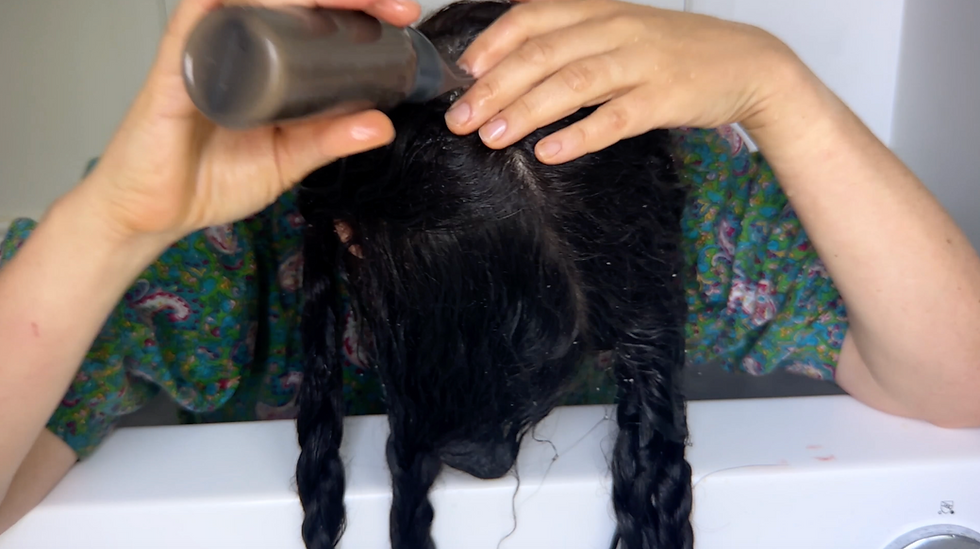
I like to apply a smaller amount of the shampoo and wash my hair in two rounds, if you will. I will apply the shampoo, with an applicator bottle, focusing on the scalp — and massage gently for about a minute to boost circulation. You’ll notice a nice natural lather. Rinse. And repeat!


I have been experimenting with using some natural conditioner again, I will link the one I use below, and I am not sponsored by them either. so I will use a little bit of that, then finish with my favourite diluted ACV rinse — 2-4 tablespoons in a couple cup of water. It really helps balance the pH and leaves everything smooth and shiny.

Don’t overuse this shampoo — once or twice a week is plenty for most people so you don’t dry your hair out. Listen to your hair and please play around with the recipe to find what suits your hair perfectly! This DIY hair care approach was a big part of what finally let my hair grow, but there’s more to that full story that I have shared elsewhere.
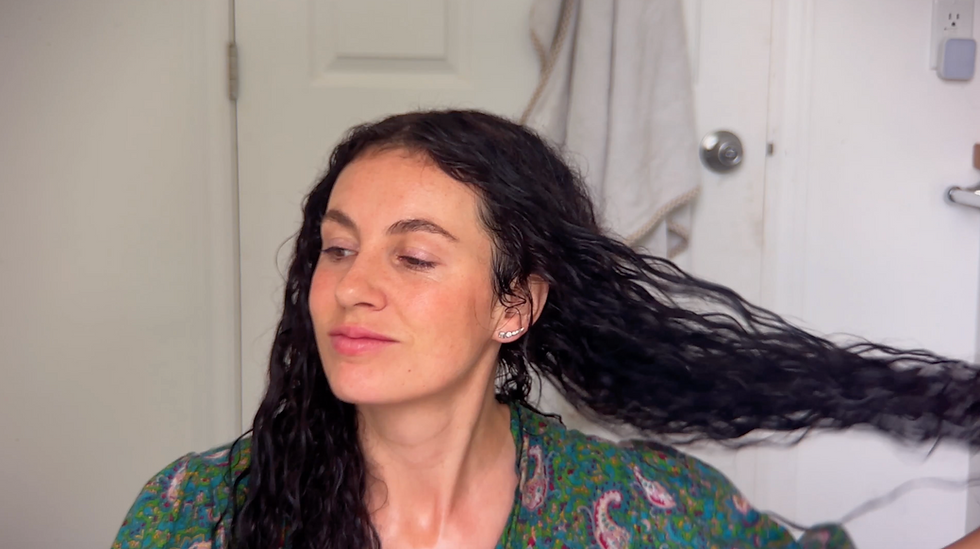
Going from thinking my hair was doomed to stay short and thin, to now having it down to tailbone length using only natural methods still feels a bit unbelievable sometimes.
This DIY African black soap shampoo is a really powerful tool in youir arsenal of natural, DIY beauty. It really gives that satisfying hair cleanse without the synthetic chemicals, and preserves your scalp’s natural oil balance. The rhassoul clay add in extra strenthening power.
The journey of DIY natural hair care has its ups and downs — your hair might need time to adjust, and that’s normal.
But that little bit of difficulty can lead to the best breakthroughs. Keep customizing, stay consistent, and try pairing this shampoo with my herbal hair growth oil, available on my website, if you want even more support. Thousands of women have seen real results, and you can read the hundreds of five star reviews by following the link in the description below.
If this video helped you, let me know in the comments what your hair type is and if you might give this recipe a try. Give it a thumbs up, subscribe if you haven’t already, and share it with a friend who wants gentler hair care. Your long, thick, healthy hair is possible. I’ll see you in the next one — can’t wait to hear how your homemade effective and gentle shampoo works for you!

Ingredients (for ~8-10 oz shampoo)
Base:
• 1-1.5 oz (about 30-45g) raw African black soap, grated or chopped small (use a cheese grater for ease).
• 1 cup (8 oz / 240ml) warm distilled or filtered water (avoids minerals that can affect texture).
Moisturizers & Conditioners (choose based on preference):
• 1 tsp honey or glycerin (humectant, antibacterial, adds shine and softness).
• 1-2 tsp oil of your choice (jojoba, olive, or my herbal hair enriching oil)
• 1 tsp vitamin E oil (preservative boost, antioxidant for hair health).
pH & Boosters:
• 1-2 tbsp apple cider vinegar (ACV) – start with 1 tbsp and adjust for pH ~4.5-5.5 if you have strips.
Essential Oils (total 20-30 drops for safety—always dilute!):
• 8-10 drops rosemary (circulation, growth)
• 5-8 drops peppermint (cooling, stimulating)
• 5 drops lavender (soothing, growth)
Simple Instructions
1. Grate or chop the soap: Break or grate the black soap into small pieces in a heat-safe bowl or jar. This helps it dissolve faster.
2. Dissolve: Pour warm (not boiling) distilled water over the grated soap. Stir gently and let sit 10-30 minutes (or longer), stirring occasionally until mostly dissolved. It will be a bit chunky/thin—normal for natural versions.
3. Add oils Stir in your liquid carrier oils if using.
4. Mix it all: Add the oil, honey or glycerin, vitamin E, ACV, and essential oils to the soap-water mixture. Stir well. It may separate a bit as it cools—shake before each use.
5. Bottle & Store: Pour into a flip-top or pump bottle. Store in the fridge. Use within 1-2 weeks (or add more vitamin E for slightly longer shelf life). Shake well before use.
To Use: Wet hair, shake bottle, apply a generous amount to scalp, massage gently (focus on roots for growth), then rinse. Follow with a conditioner if needed, then a diluted apple cider vinegar rinse for ph balance. Use 1-2 times per week or as needed.
Customization Tips
• Customization: For finer/straighter hair, skip the oil to weighing down your hair.
• Sourcing: Use authentic raw black soap (not commercial versions with additives).
• Safety: Patch test if you are concerned about any of the ingredients.
• pH note: Black soap is alkaline; ACV helps balance for hair.
• Variations: Add aloe vera juice instead of some water for extra soothing, or a pinch of xanthan gum if you want a thicker texture (optional)


It can handle both, but Godot is especially well regarded for 2D. It is also a practical choice for many mid-sized 3D projects and for teams that want to prototype quickly.
Is there a version of African Black Soap without shea? I'm sensitive to it.
Love me some black African soap?
Where’s the link for the conditioner? Ask what’s the shelf life? Since it has water in it
The recipe says TEAspoons, but in the written instructions you say TABLEspoons. Could you update this to reflect the correct measurements? In some of the photos I can tell you're using a TABLEspoon but the text on the photo says TEASpoons. It's just a little confusing. Looking forward to trying this out, though!